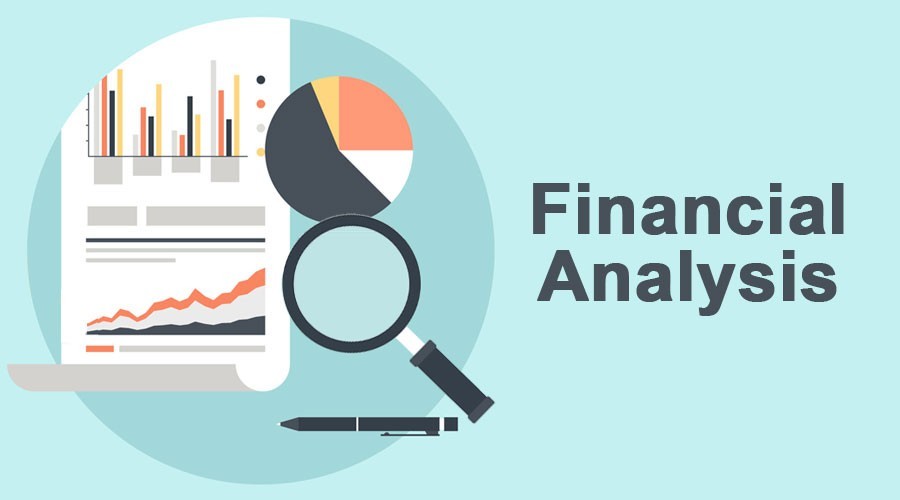
Dashboard
OPay Statement Analysis: 14 Months
Personal financial analytics dashboard from raw OPay bank statement.
View on GitHubI'm a research and data analyst based in Abuja. I've spent the last year and a half inside Nigeria's public sector, working on public financial management and World Bank-backed reform programmes. I build dashboards, facilitate policy workshops, and structure budget data so decision-makers can actually use it.
 Abuja, Nigeria
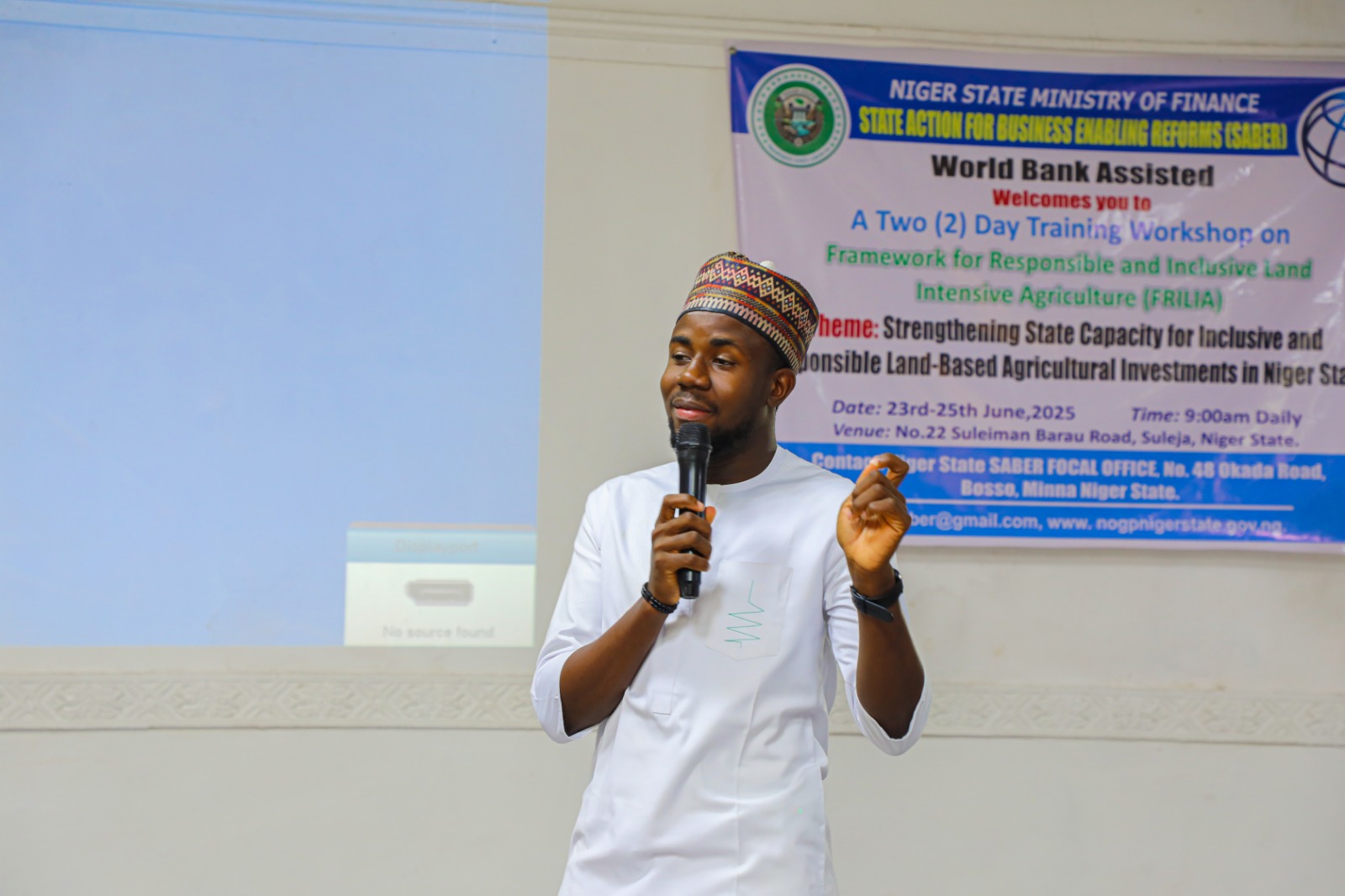

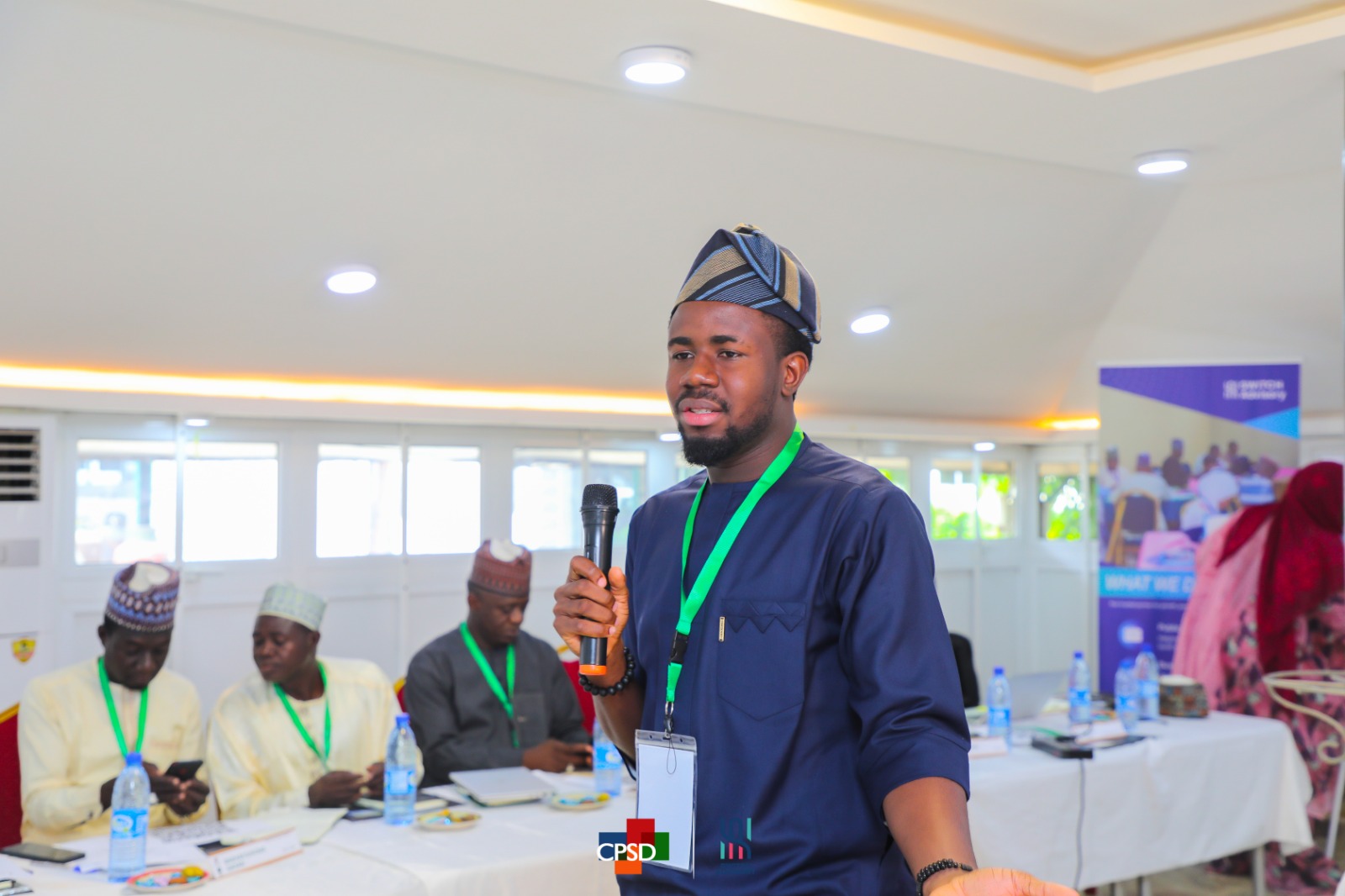
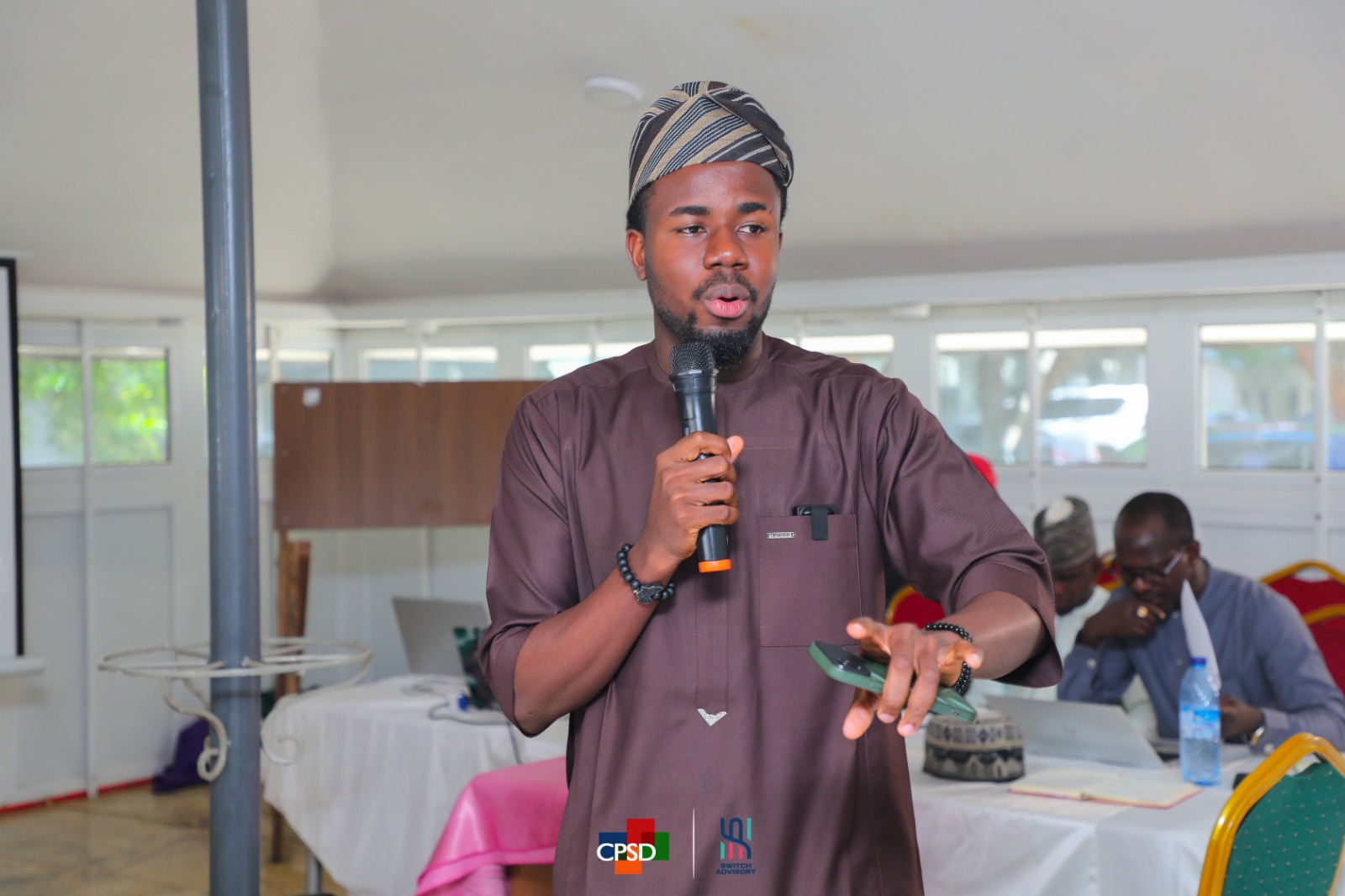

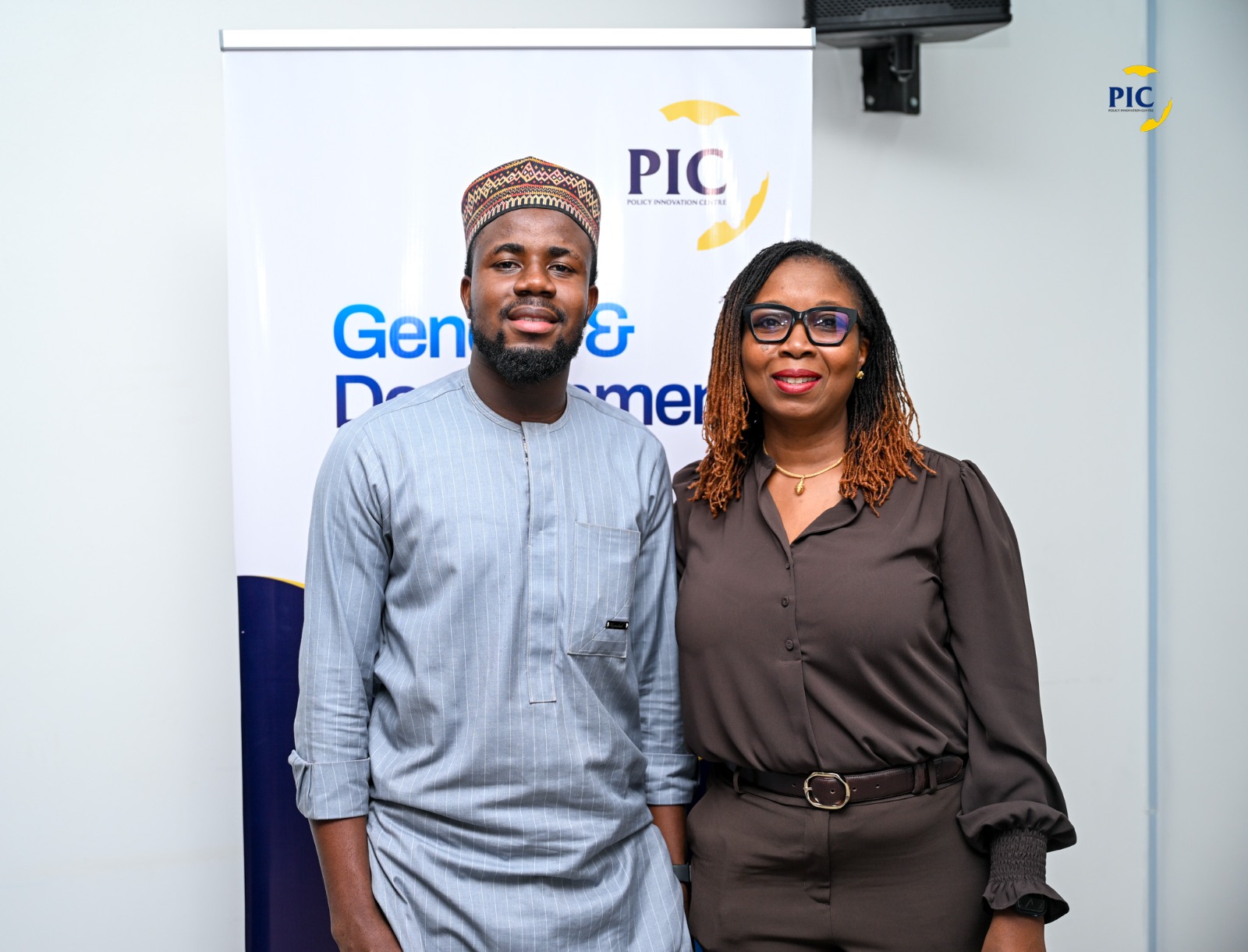
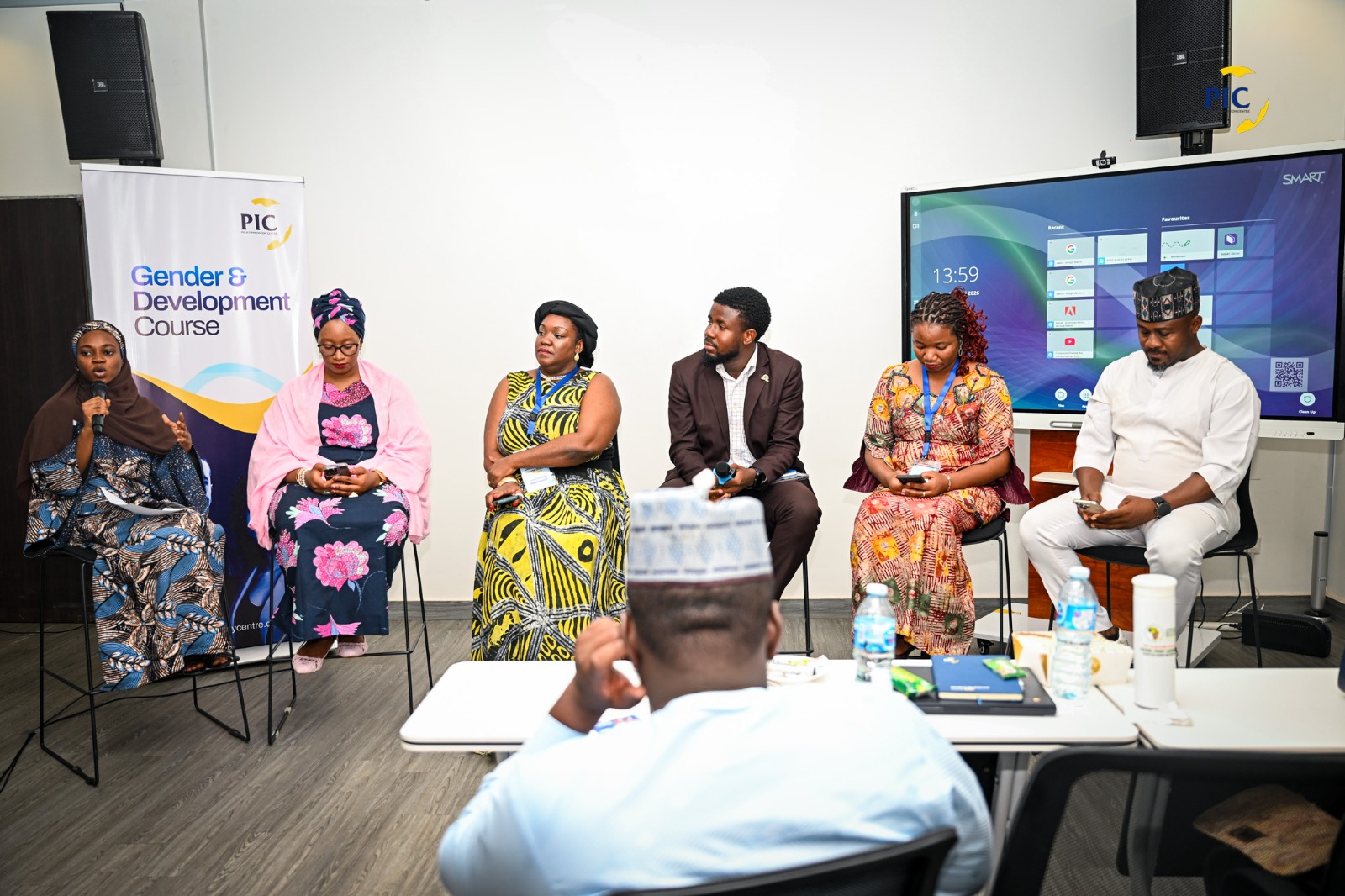

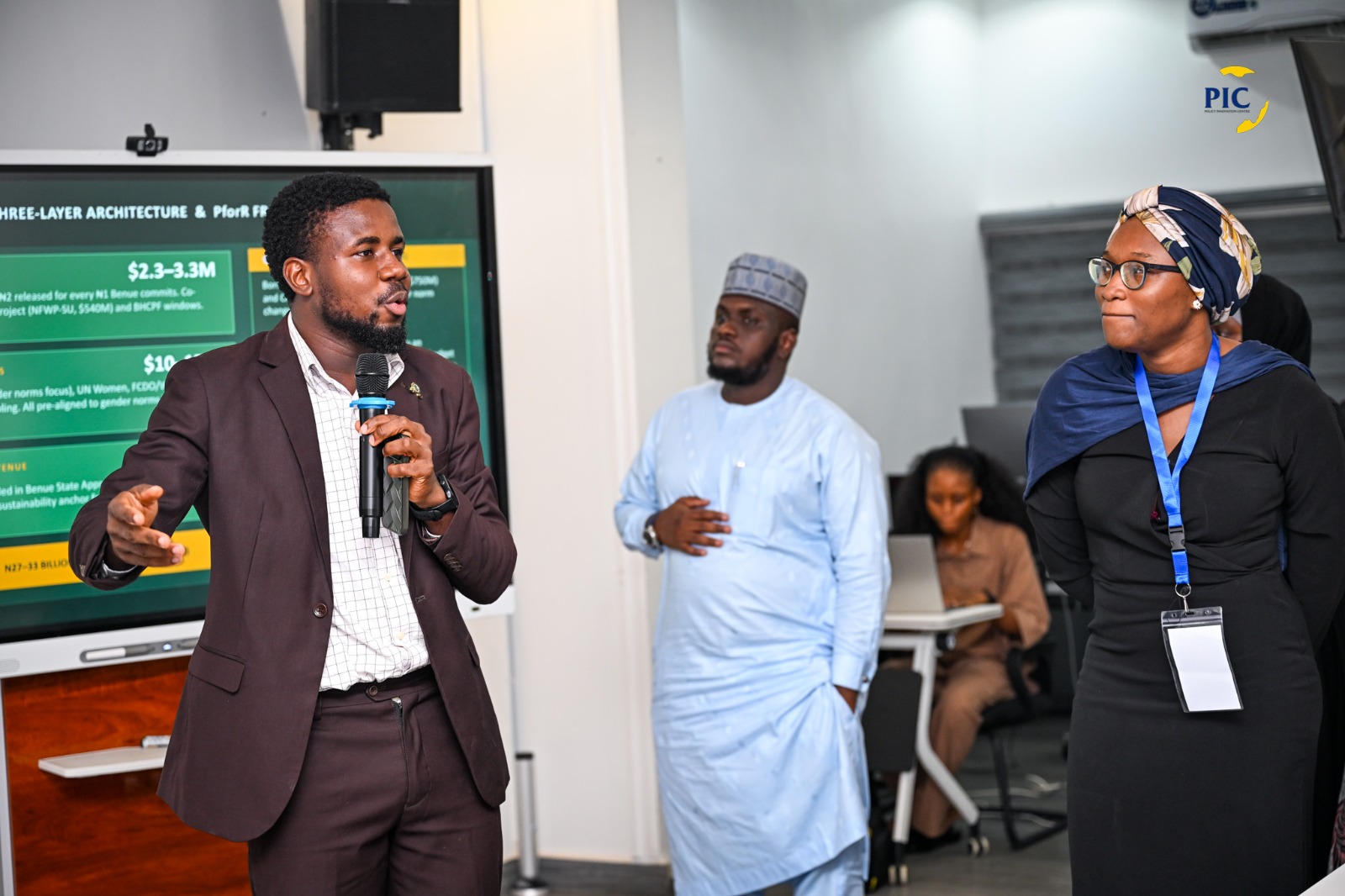

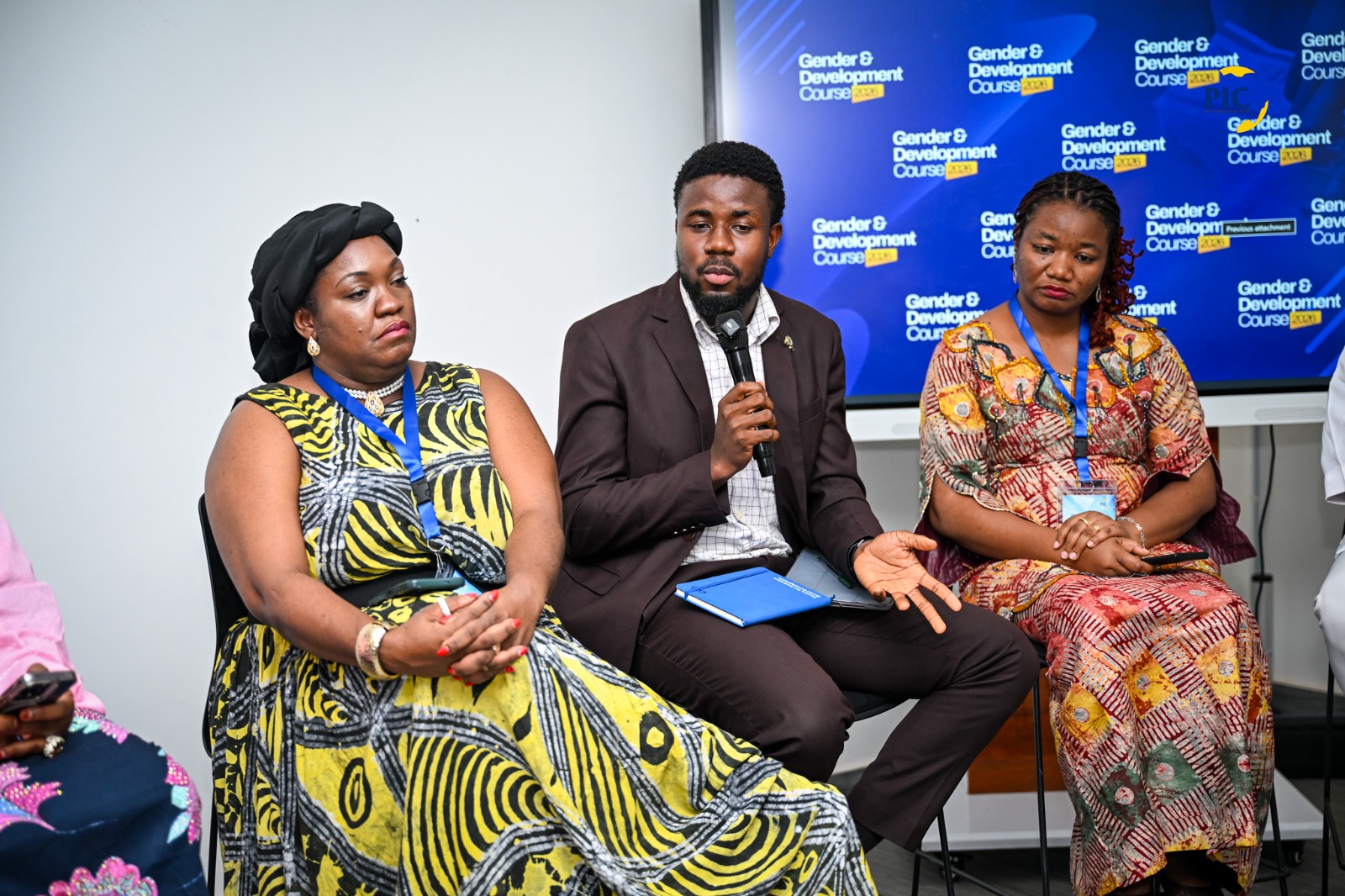
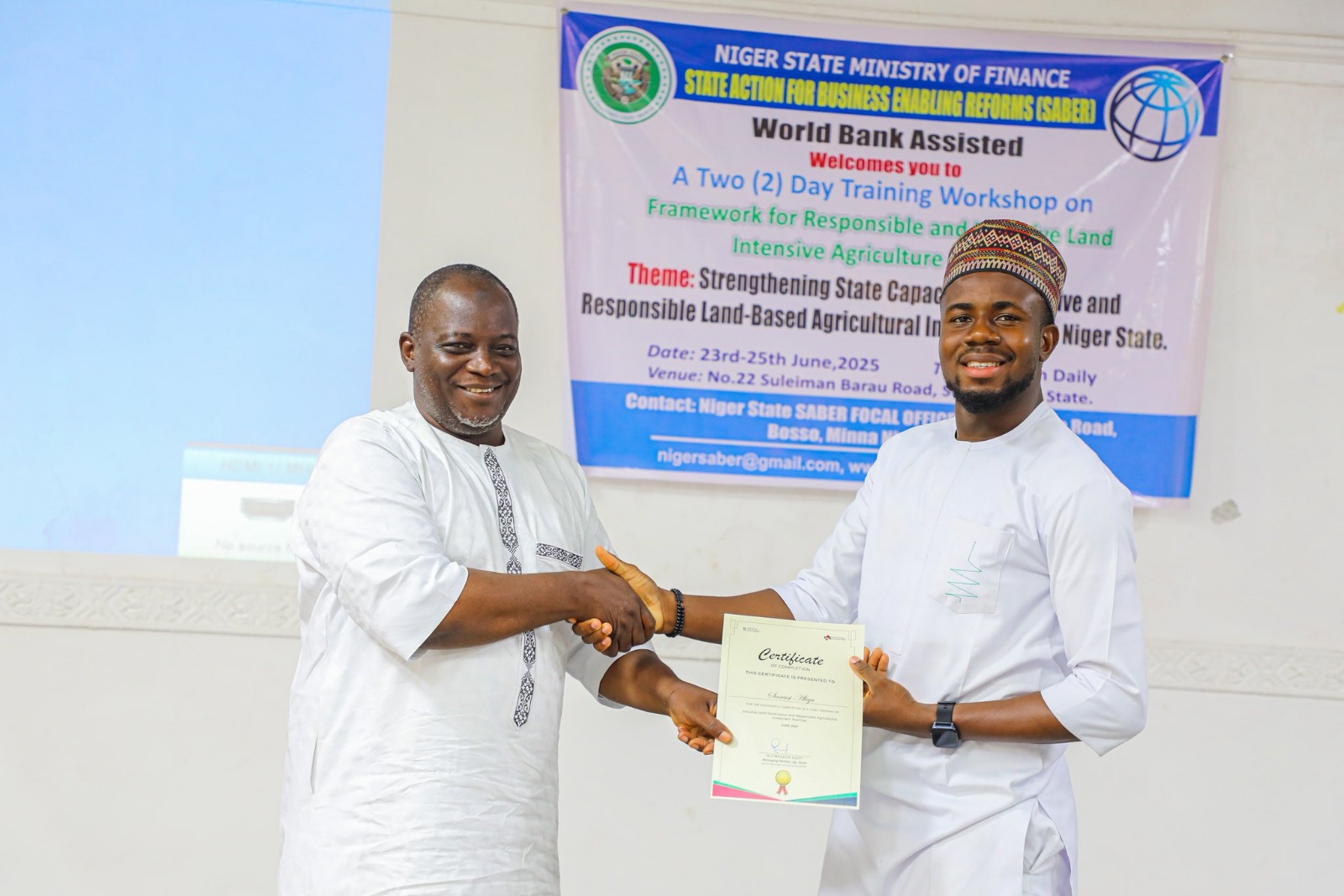
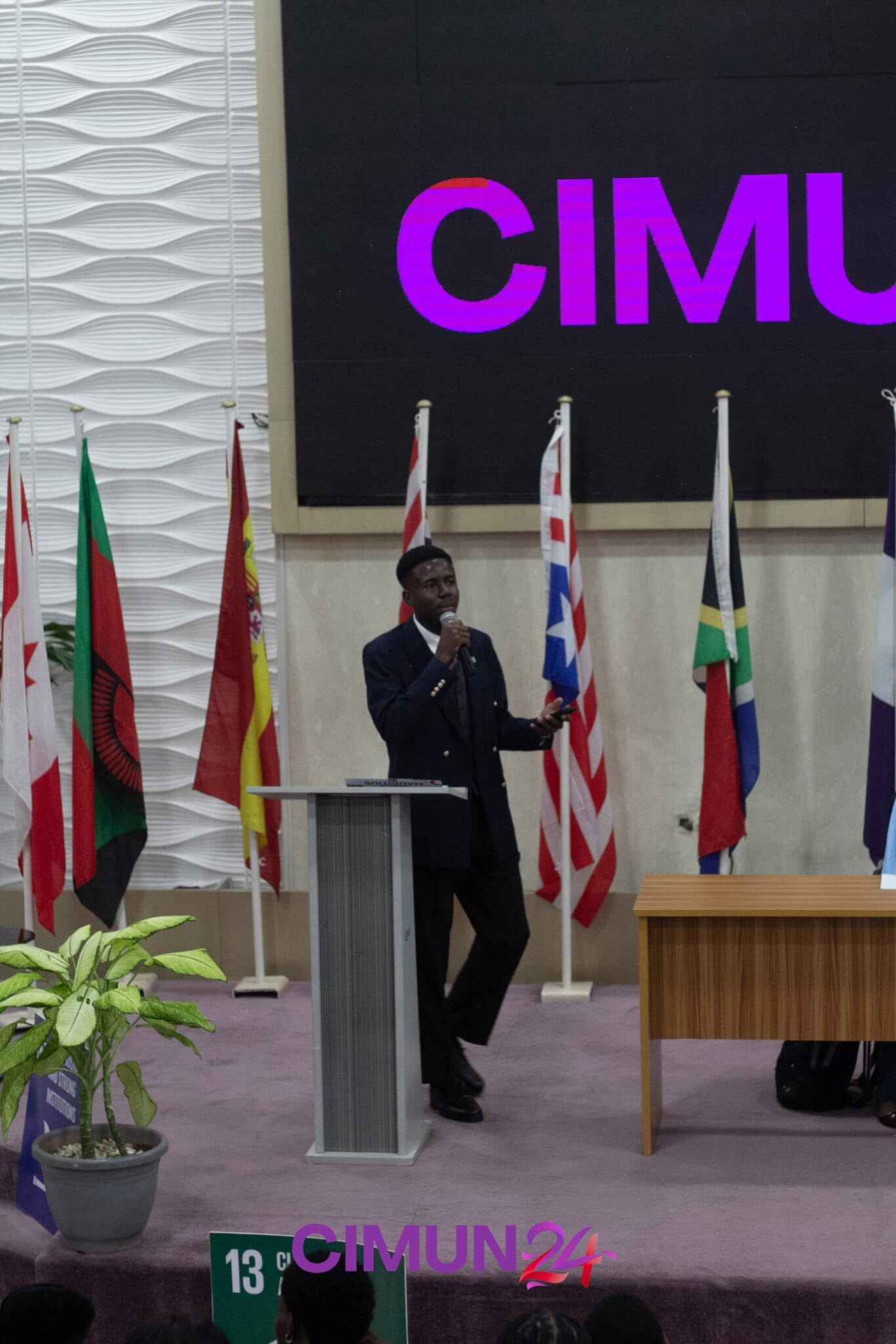
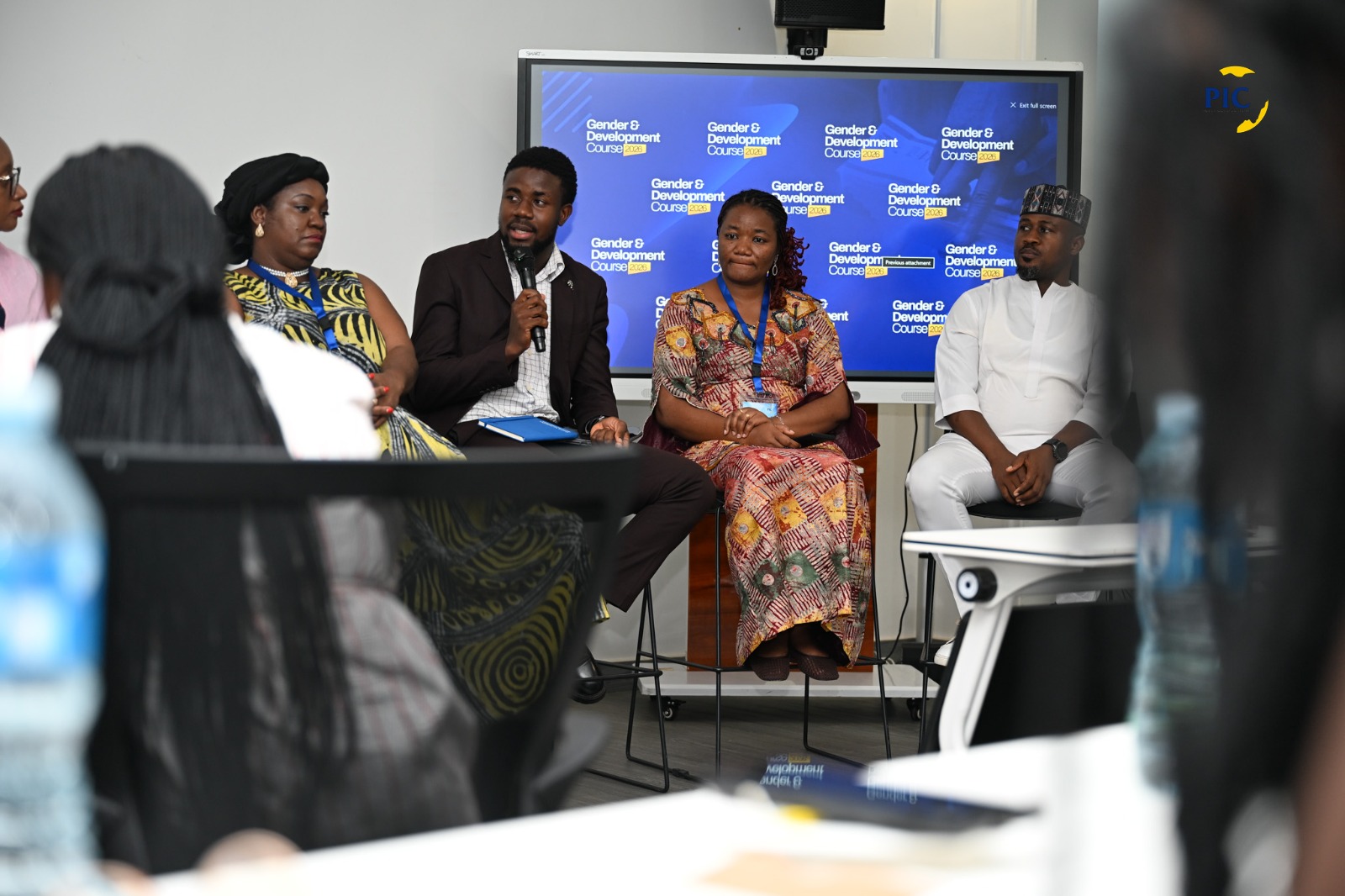
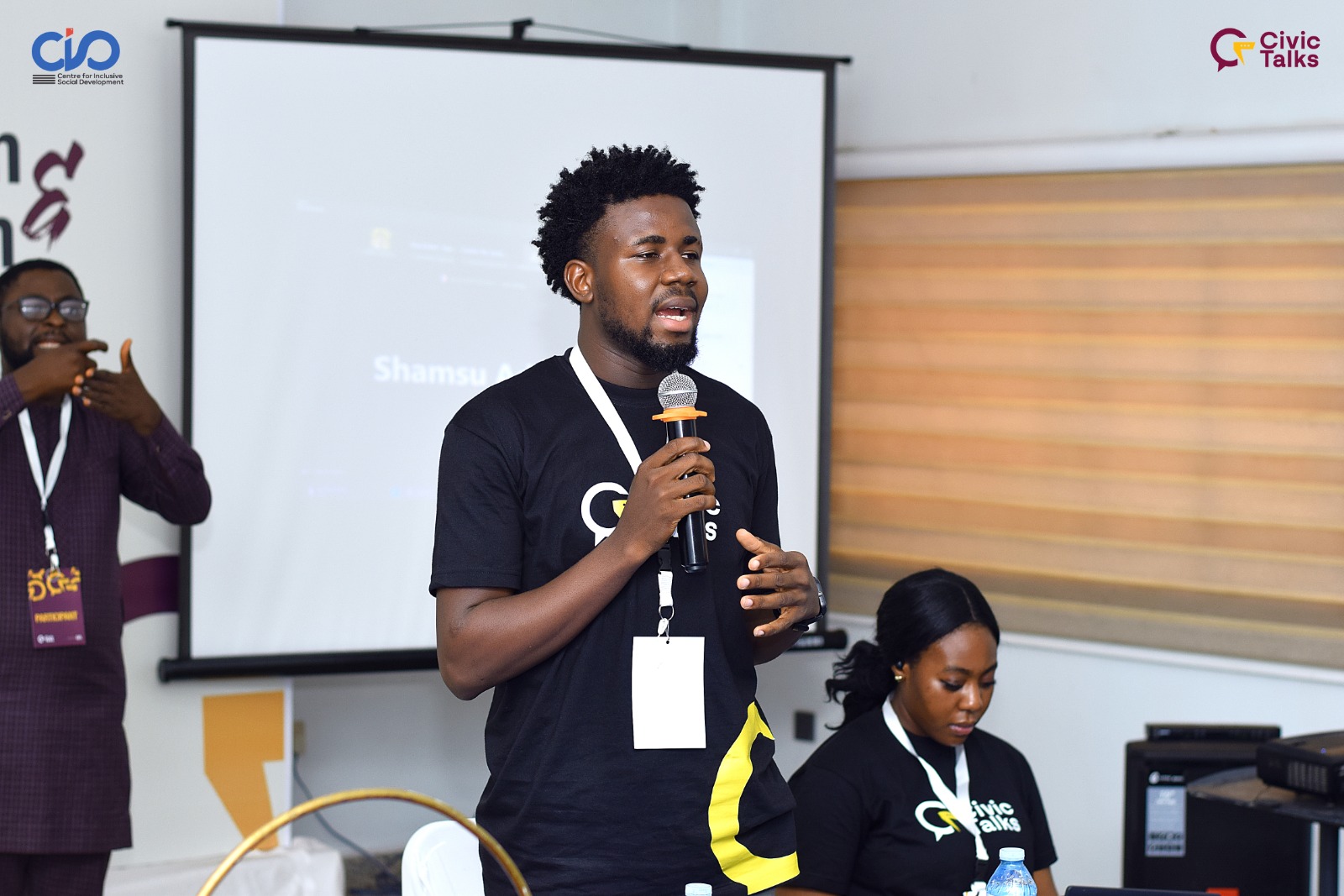

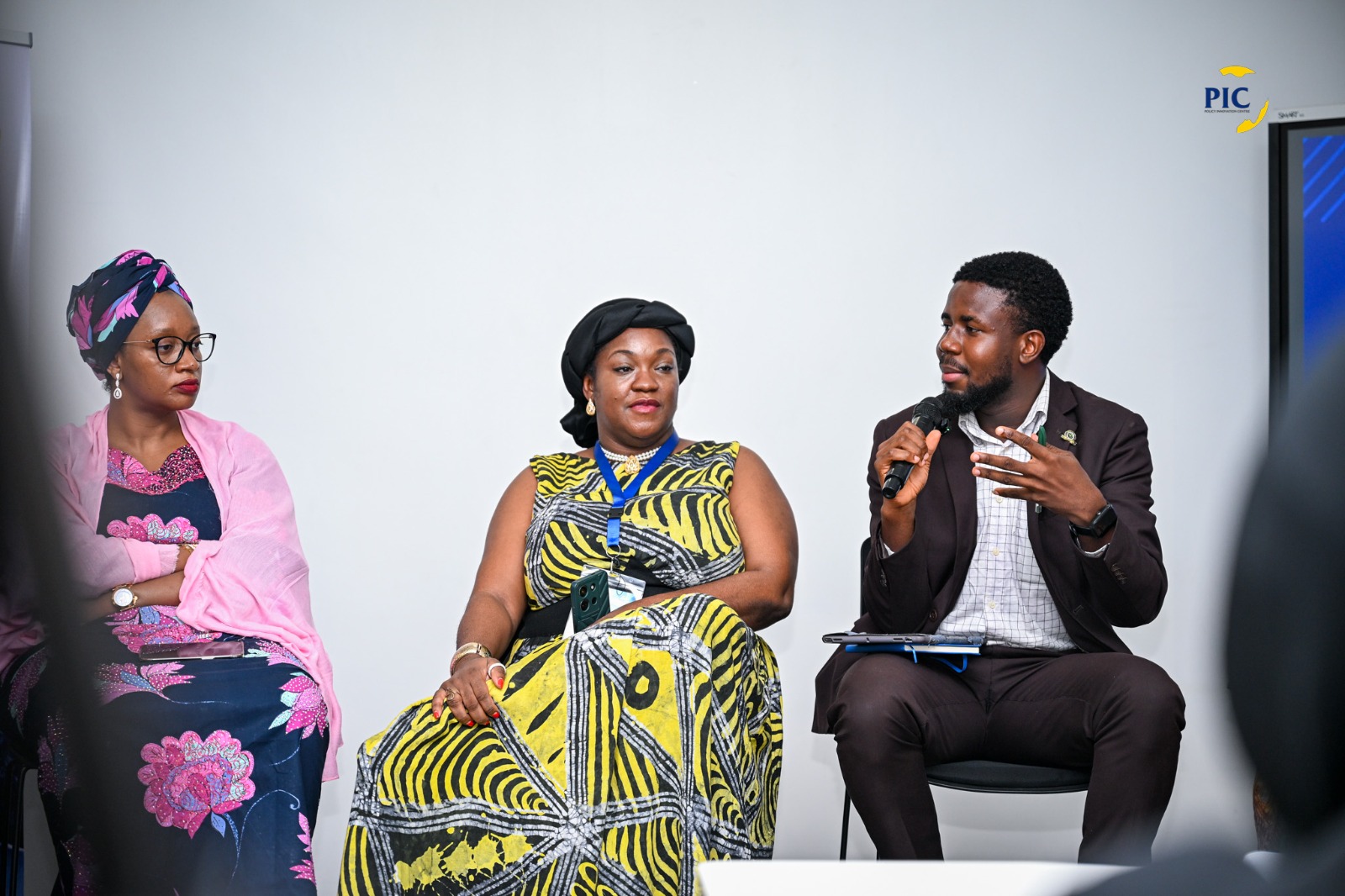
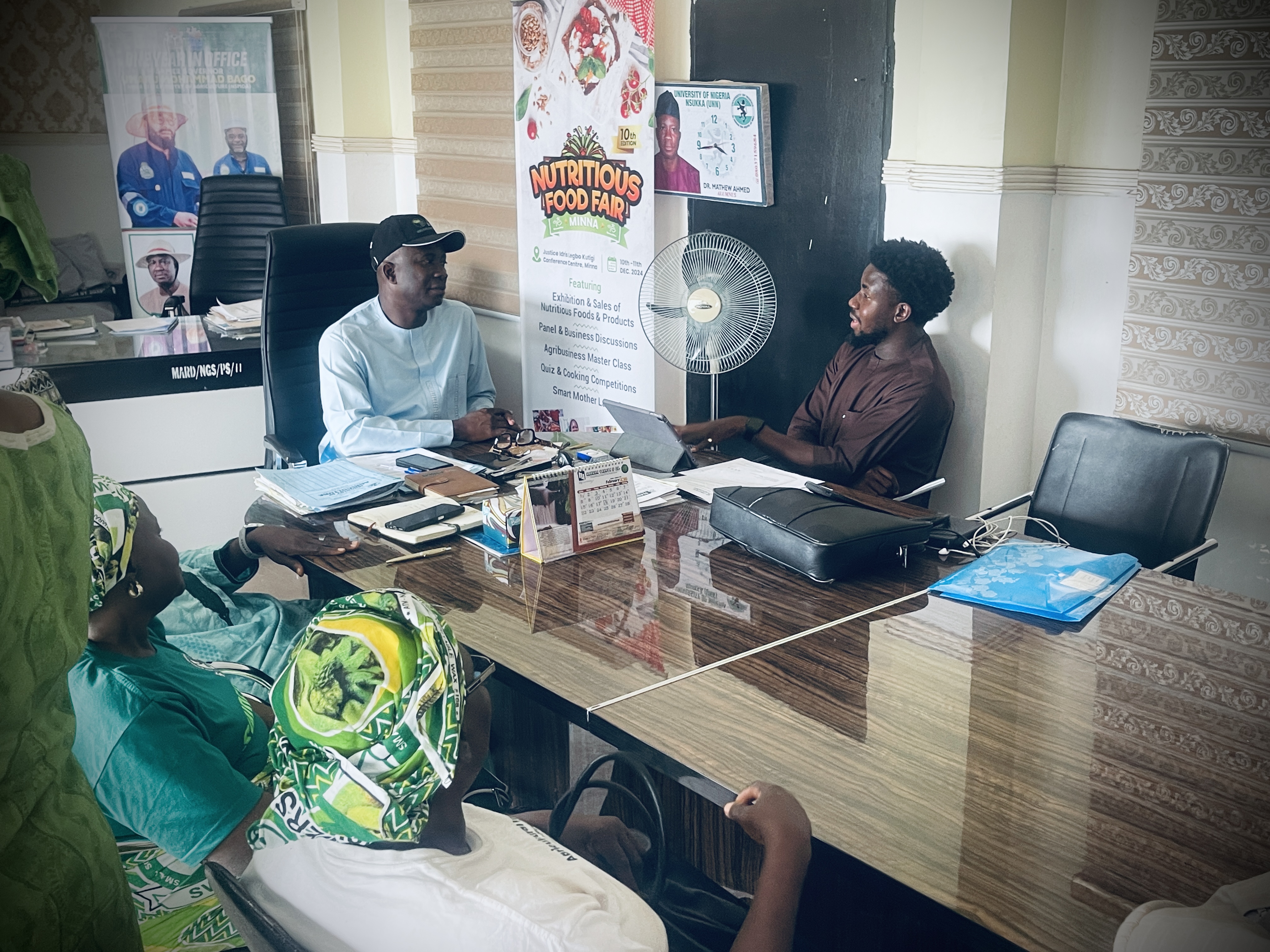
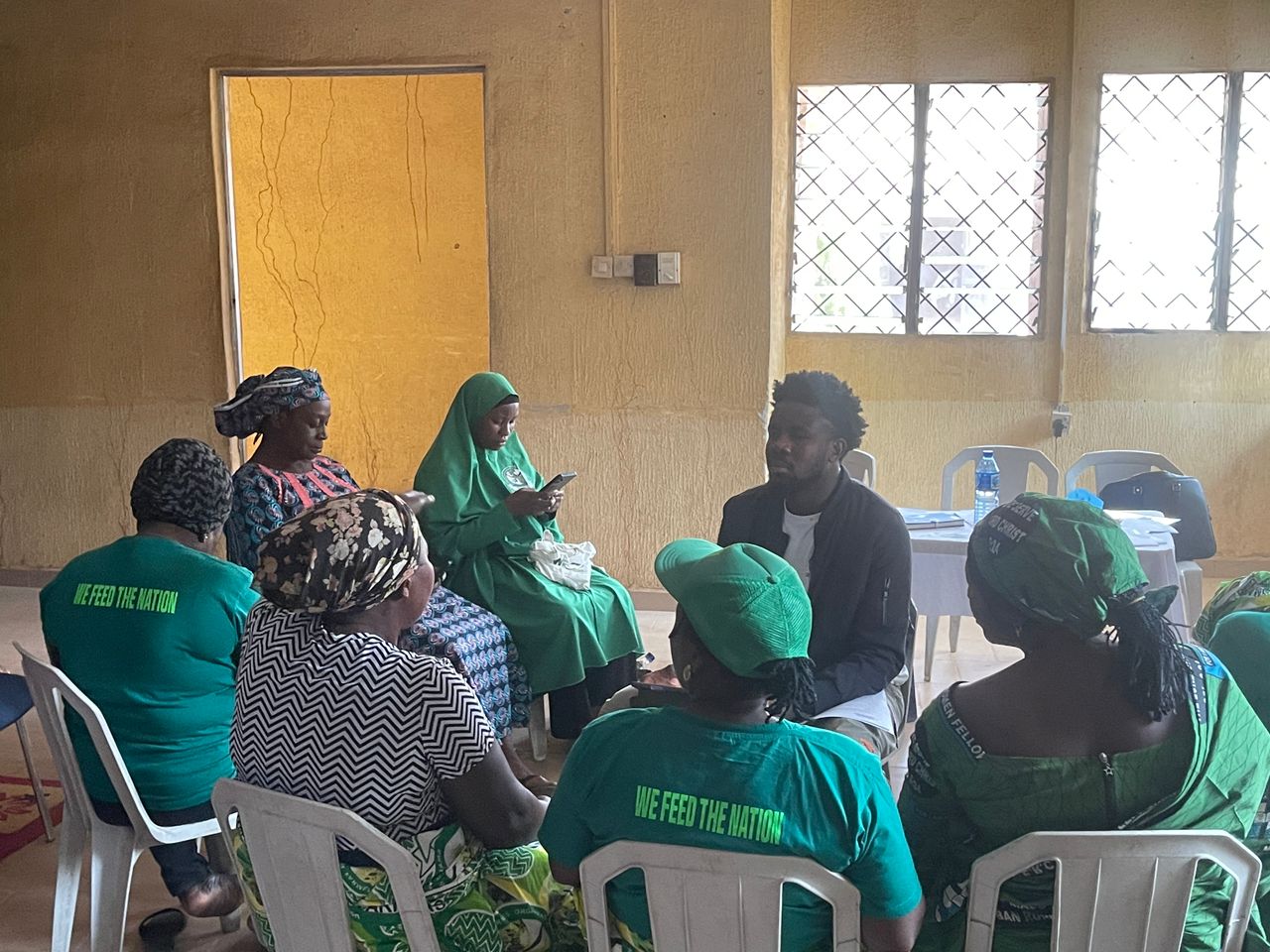
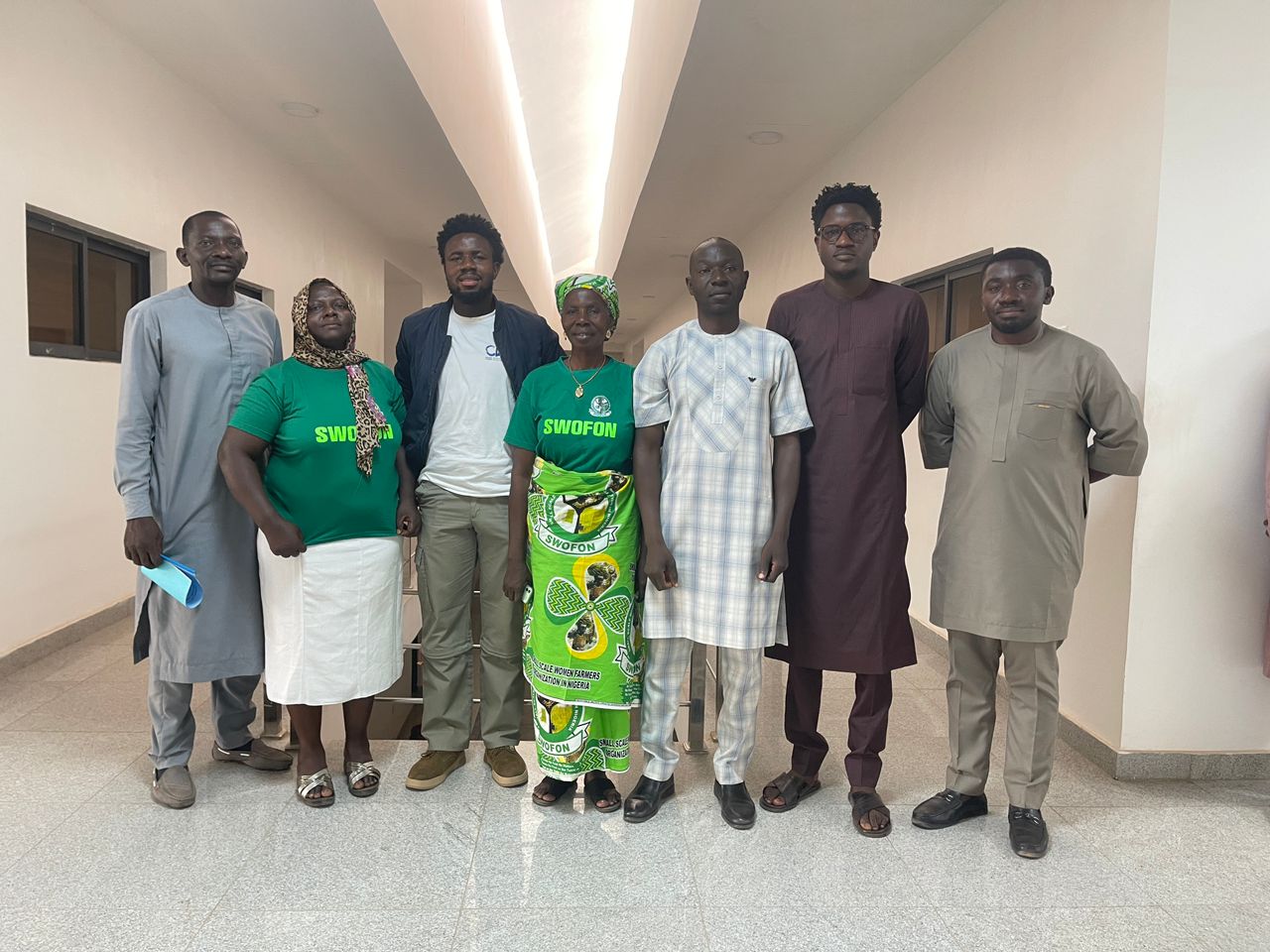

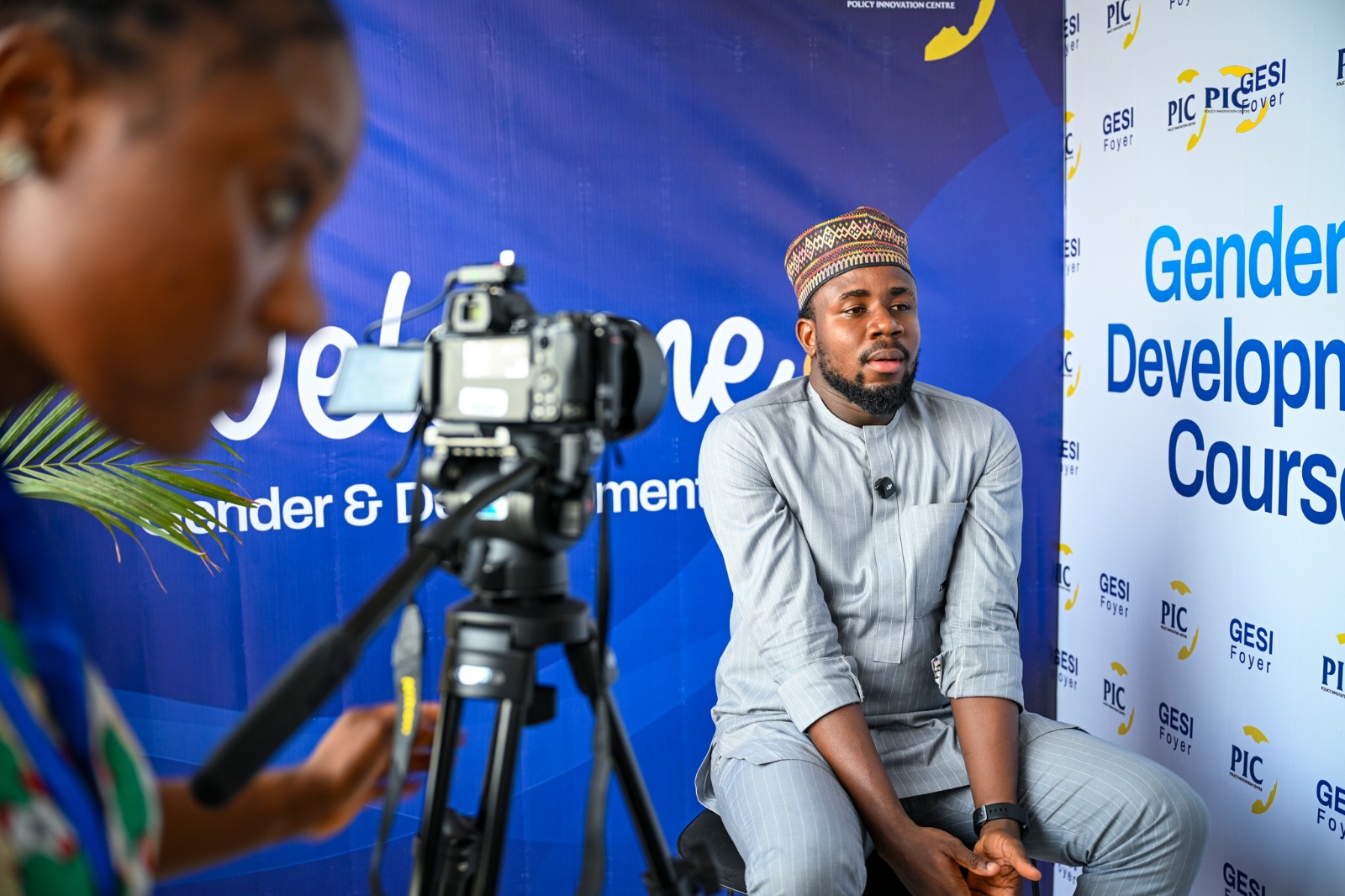
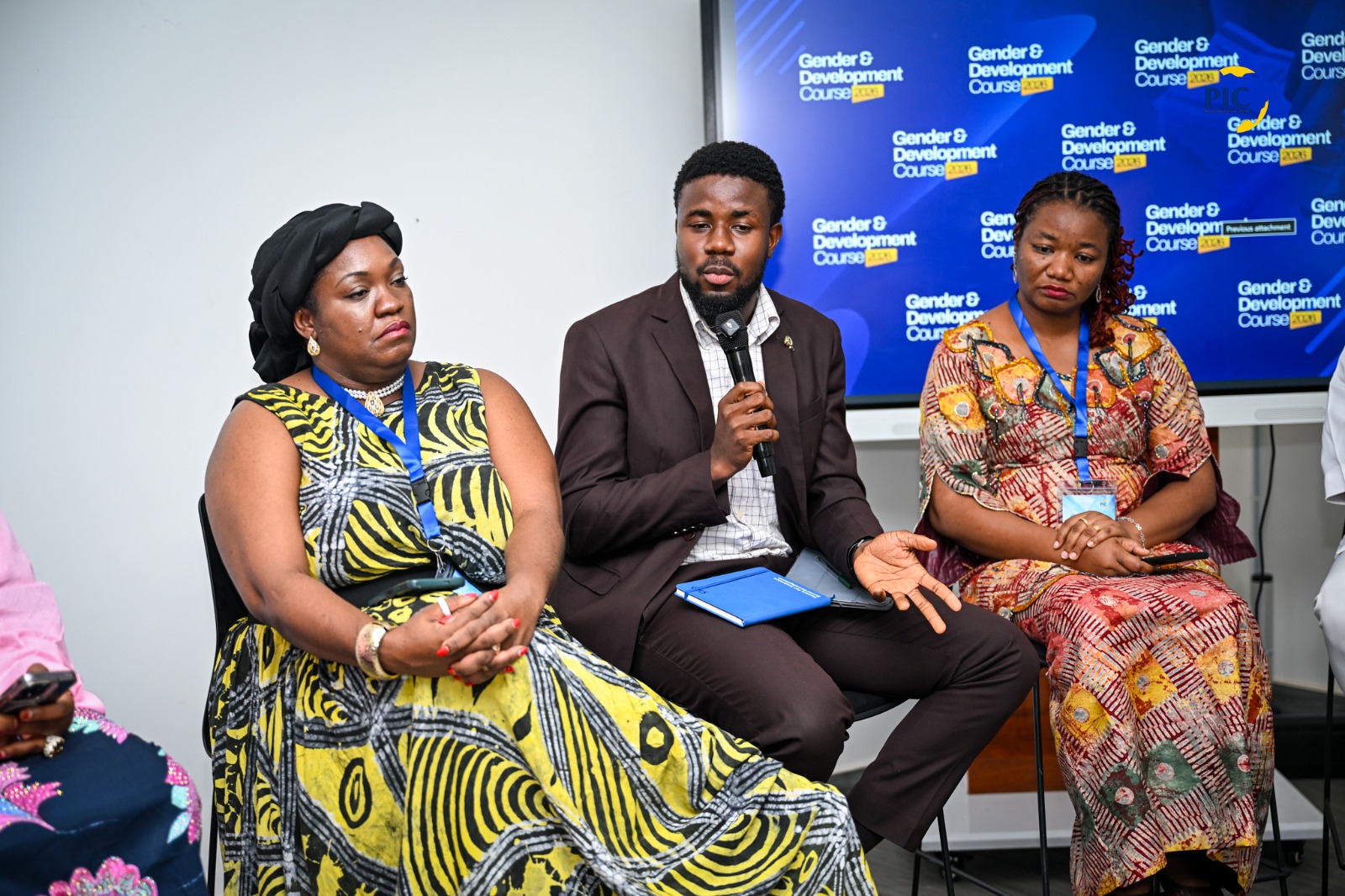
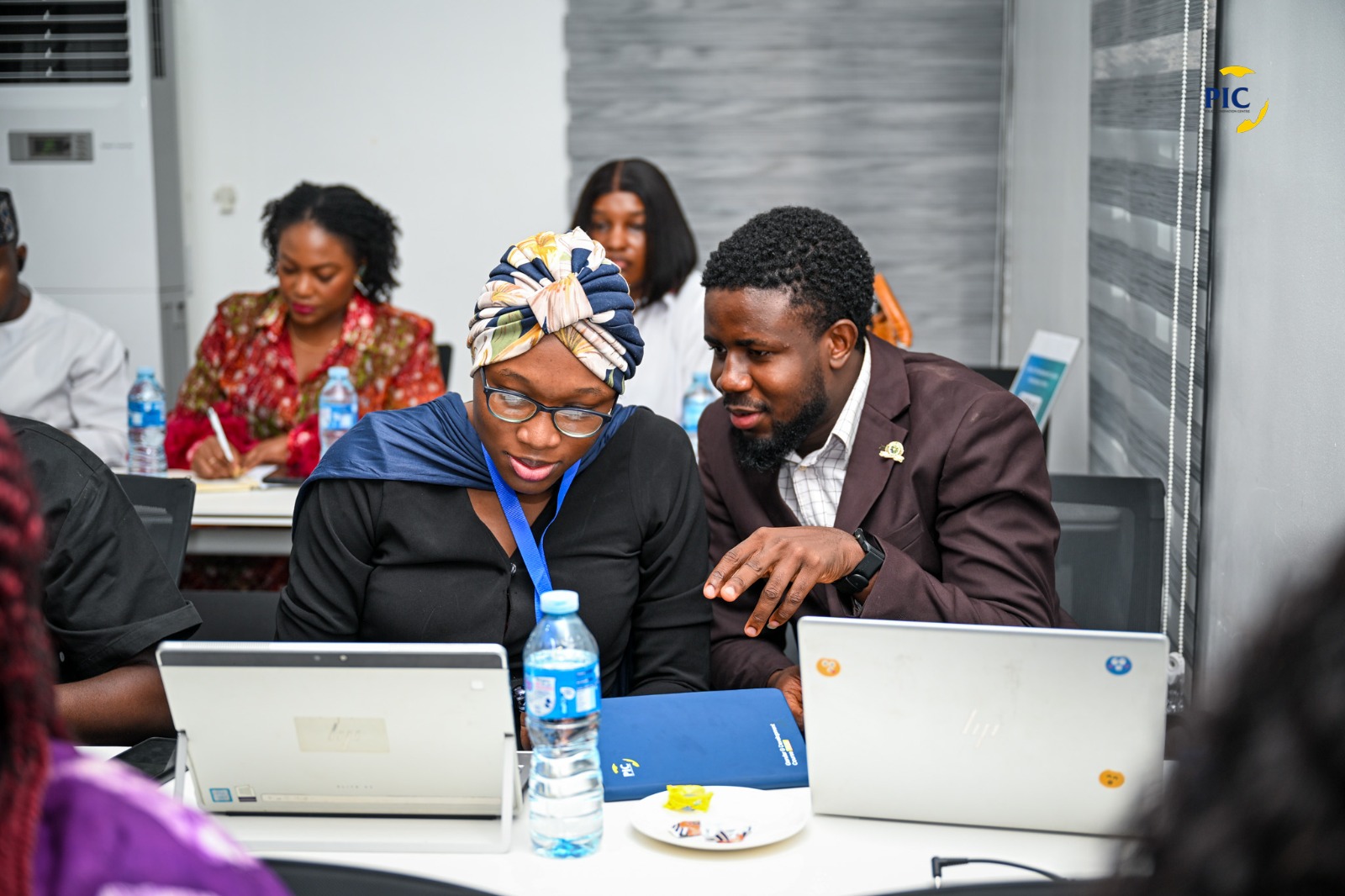
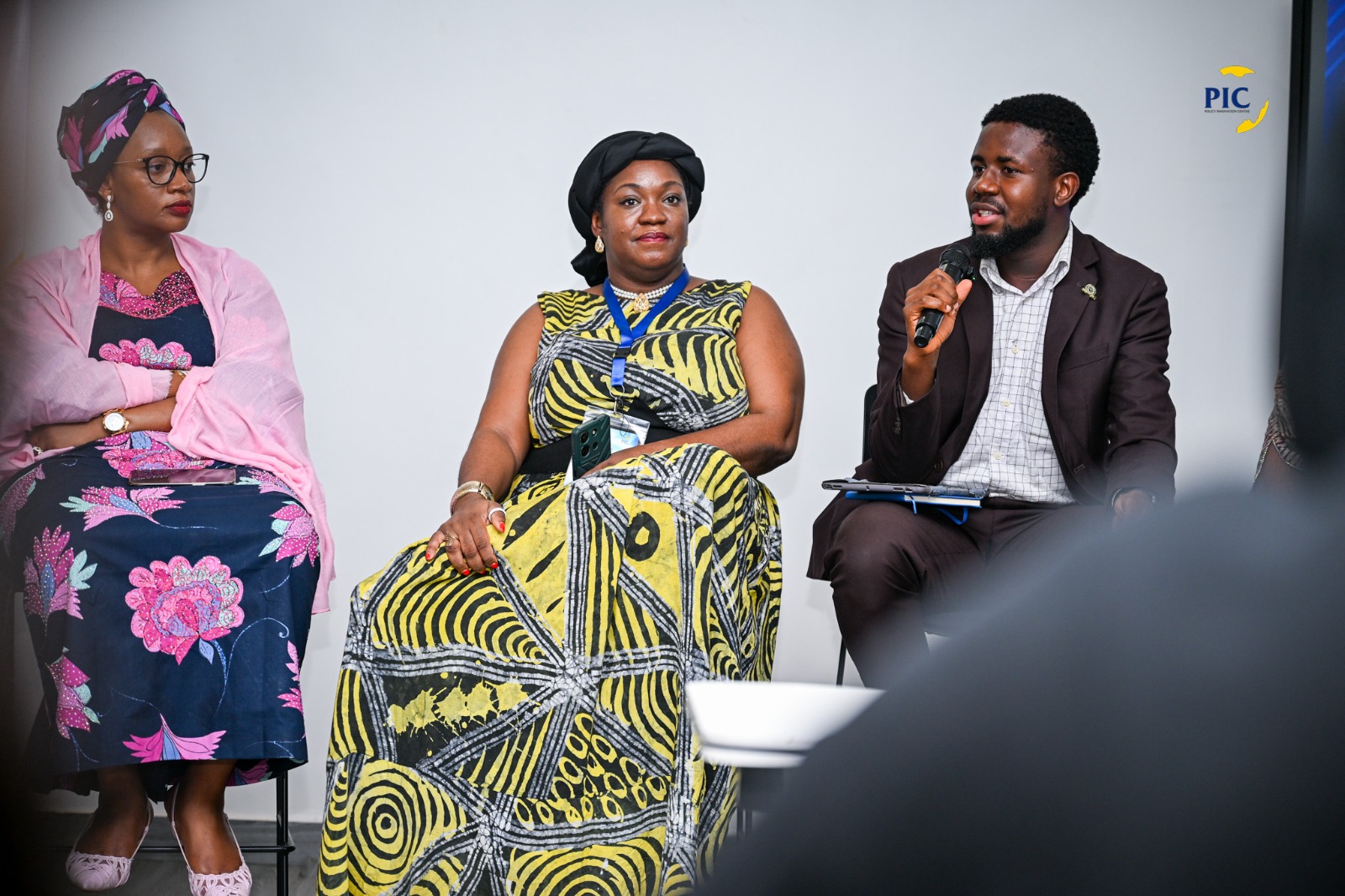
I graduated from Landmark University with a degree in International Relations — four years studying power, institutions, and the gap between what governments promise and what they actually deliver. Then I entered the real world and found that gap is even wider than the textbooks suggested.
For the past year and a half, I've been doing something about it. I'm a research and data analyst working at the intersection of public finance and accountability in Nigeria. The core of it is simple: I help people understand where the money goes. Government money. The budgets that are supposed to build schools and fund hospitals. I track it, structure it, visualise it — and present it in ways that make it harder to ignore. A huge chunk of my work sits inside PFM, debt, and World Bank-backed reform programmes like SABER and FRILIA — initiatives trying, seriously and systematically, to fix how Nigerian states manage public resources.
The hardest part isn't finding the data. Numbers exist if you're willing to dig. The hardest part is structuring information so it actually travels — so a permanent secretary, a civil society advocate, and a development partner can all sit with the same dashboard and each walk away with something useful. That translation work is where I live.
I'm 22. I'm early. But I've spent a year plus inside Nigeria's public finance architecture — reading the documents, building the tools, sitting in the rooms. Data in the right hands isn't just analysis. It's pressure. It's evidence. It's what makes it harder for money to disappear quietly.
That's what I'm building. That's what this journey is about.
Facts are stubborn things; and whatever may be our wishes, our inclinations, or the dictates of our passion, they cannot alter the state of facts and evidence.John Adams2nd President of the United States
Power BI, Excel, DAX, data modelling.
Expenditure tracking, impact assessment.
Fiscal policy, debt analysis.
Report writing, facilitation.
Workshops, briefings.
World Bank, SABER, FRILIA.
Personal financial analytics dashboard from raw OPay bank statement.
View on GitHub
Interactive Power BI dashboard across 15 countries.
View Dashboard

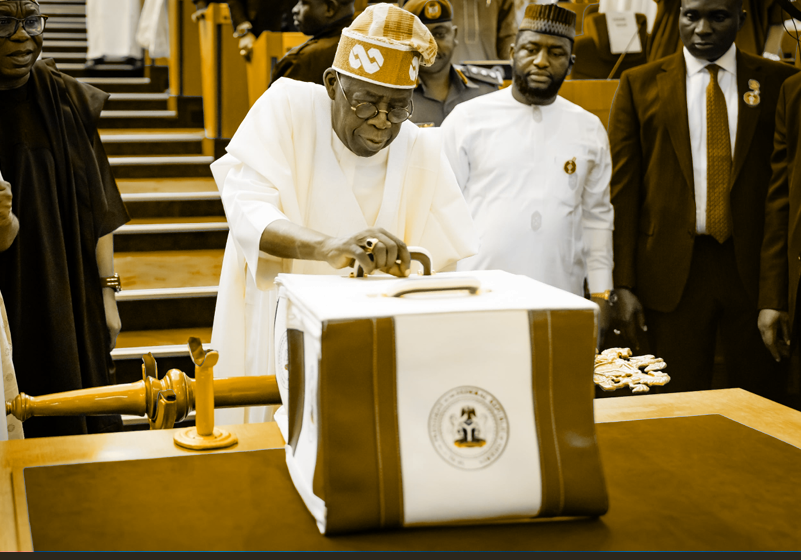
Analysis of N58.18 Trillion 'Budget of Consolidation'.
Read PaperPersonal reflections, quick takes, and things on my mind.
Policy briefs, research papers, and in‑depth analyses.
 Switch Advisory
Switch Advisory
Switch Advisory
 SWOFON
Smallholder Women Farmers Organization
SWOFON
Smallholder Women Farmers Organization
 CISD
Centre for Inclusive Social Development
CISD
Centre for Inclusive Social Development
 Eziokwu
 Foundation
Eziokwu
Eziokwu Foundation
 IBP
International Budget Partnership
IBP
International Budget Partnership
Whether you have a dataset that needs structure, a policy question that needs evidence, or a role you think I'd be good for — I'd like to hear about it.